Selfish, Stuck, and Still Searching: How I'm Learning to Lower My Resistance to God
A honest look at the stop-start cycle of faith — knowing what draws you closer to God, and still struggling to make it stick.
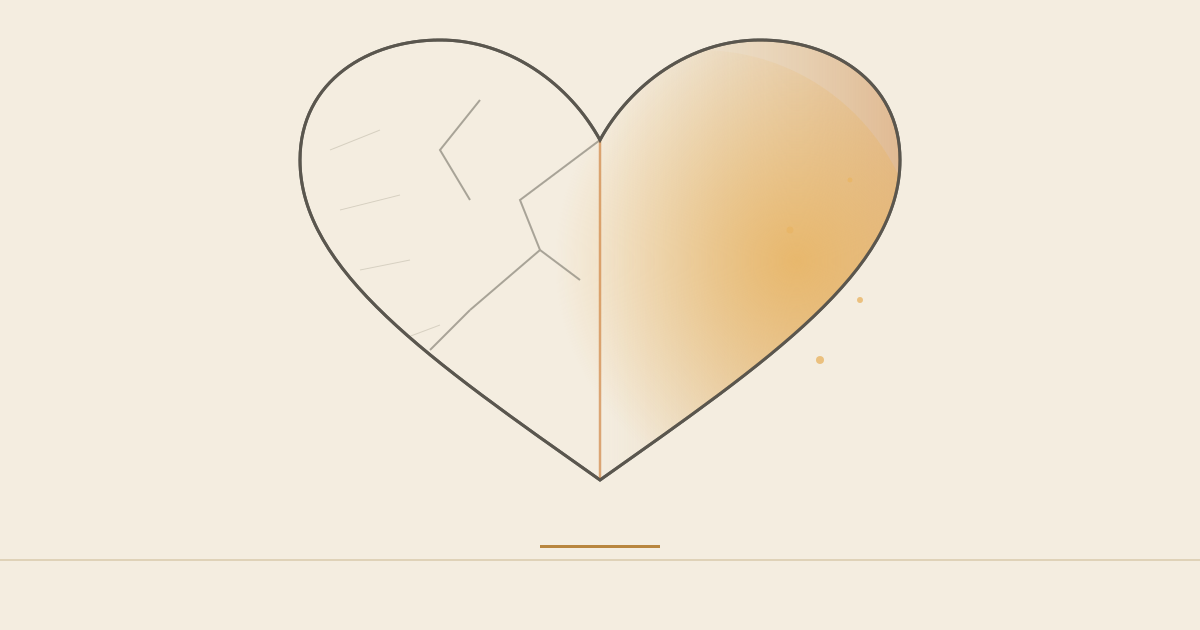
TL;DR: I know what I need to do to grow closer to God, but my selfishness, distraction, and stop-start habits keep getting in the way — and I'm trying to figure out how to stick with the fix.
I'm selfish. Not in a dramatic, villain way — just in a painfully consistent, everyday way. And lately I've been realizing how much that's shaping my faith, my relationships, and my ability to open up to God.
Naming the Problem: "I'm Selfish. Super Selfish."
I have a small circle of trust — people I deeply love — and I'd do anything for them. If you're outside that circle, I'll still try to help, but the truth is I'm always fighting my default setting: me first.
I keep thinking about free will, too. Sometimes I wonder if it messes me up more than it helps me. It would be easier if I were programmed to do the right thing every time. But I'm not. Free will means I can choose well, or choose poorly. And I do both.
That small circle, that guardedness, makes it hard for me to speak freely — not just with people, but with God.
Paul writes it plainly in Philippians: do nothing out of selfish ambition, but in humility value others above yourselves.1 Jesus goes further — He asks what credit it is to love the people who already love you back.2 That question lands. My circle loves me back. That's not the hard part. The hard part is everyone outside it.
Why Talking to God Feels Harder Than It Should
I hesitate to reach out to God. I don't really know how to talk to Him like a friend or a father. Part of that is personal history — I didn't have the kind of father figure growing up that made "serious talk" feel normal.
Condred was great, but I never would've gone to him with the heavy stuff. So now, when I hear people talk about having a close relationship with God — talking to Him openly, casually, about anything — it feels foreign. I believe it's real. I just don't know how to live it.
That bothers me, because I know God wants us to come as we are. I know we don't need to be perfect first. I've heard that message. I believe it.
But believing it and practicing it are two different things.
Come to me, all who are weary and burdened, and I will give you rest, Jesus says3 — not "come once you've got it together." Hebrews says the same thing a different way: approach the throne of grace with confidence, in the middle of the need, not after you've cleaned yourself up.4 I know that. I'm working on believing it in the moment, not just in theory.
The Cycle: Doing Well, Backsliding, and Returning to "Normal Settings"
I've prayed for lower resistance. And sometimes it works — for a while. I'll get momentum. I'll do better. I'll feel closer. Then I backslide.
I drift back to what I can only describe as my normal settings: selfish again, distracted again, putting things off again.
I know the basic answer is prayer, Bible reading, time with God. I know those things help. But here's the problem: I'm not doing them consistently, and I don't know how to make myself do them consistently.
I Know How Habits Work. So Why Can't I Stick With Them?
I've read the books. I understand habits. Do the thing enough times and it becomes automatic. I've read The Power of Habit (I think that's the title), and others like it. I get the concept.
I even have a theory of how to build the habit of reading Scripture and talking to God: make it simple, make it repeatable, make it part of the day.
But knowledge isn't the same as follow-through.
Paul named this exact gap two thousand years before habit-tracking apps existed: I do not understand my own actions... I do not do the good I want, but the evil I do not want is what I keep on doing.5 Reading that for the first time was strangely comforting. It's not just a discipline problem. It's the human condition, and Paul lived it too.
Too Many Tools, Too Much Planning, Not Enough Doing
I have tools. Plenty of them.
I built a yearly Bible study program that I think is genuinely solid — I learned a lot over the months I was actually using it. I have the reading plan built into my study Bible. I have Logos. I have Dwell.
Maybe I have too many things.
Here's something I've learned about myself: I'm a planner. I love setting things up. I love building the system. And then I get distracted, abandon the system, and start building a new one.
That's basically been the pattern of my life.
The Instrument Collection That Exposes Me
Honestly, my instrument collection is proof.
I love cello. I also love the whole mandolin family — mandolin, mandola, octave mandolin, mandocello. I don't think a bass mandolin exists, but give it time.
And then there's guitar — acoustic, electric, the percussive stuff, the bass strings, the versatility. Banjos too: fingerpicking and clawhammer, plus Classical Banjo 5. Tenor banjo, tenor guitar. Bass guitar, because our church doesn't have a bassist, and I thought maybe I could fill the gap.
I haven't touched the bass in months.
That's the theme: excitement, planning, starting — and then not following through.
And that same pattern shows up in my faith.
The Quiet Drift: "I'll Do It Tomorrow"
When I stop and think, it bothers me. I know what I should be doing. But it's easy to drift.
The devil is good at glossing things over: You can do it tomorrow. You'll catch up later. Read three days in one day. Or he just distracts me enough that I don't even notice the gap forming.
I'll realize at night: I don't think I prayed today. I don't think I talked to God today.
And then tomorrow becomes the same thing.
Sunday Helped: Hearing Exactly What I Needed
Today is Sunday. I'm driving home from church. Pastor Trent's message was part of a discipleship series, and even his opening prayer hit me hard — he prayed that the Lord would lower our resistance.
That's exactly what I needed.
It reminded me that God shows up in so many parts of life, if we slow down enough to notice. Sometimes I do notice. Sometimes I can see Him clearly.
But a lot of the time, I'm too busy with me.
What I'm Praying for Now: Lower Resistance and a Wider Love
Here's what I'm asking God for right now:
Lower my resistance to You. Quiet my selfish nature.
Because I do like helping people. I'm not trying to be heartless. But I know my circle is too small. We're supposed to love everybody. I don't hate anyone, but if it comes down to going the extra mile, it's easier for me to do it for my wife, my mom, my brother — my people — than for someone else.
I don't like that about myself.
So I want to pour into the Bible and find Scripture that helps me fight this. Not just to feel better, but to actually change.
Two verses have stuck with me since Sunday. The first is Ezekiel's promise that God will remove from you your heart of stone and give you a heart of flesh.6 That's the resistance problem, named directly — not something I can white-knuckle my way out of, but something God has to do in me. The second is David's prayer after his own very public failure: create in me a pure heart, O God, and renew a steadfast spirit within me.7 David wrote that after blowing it about as badly as a person can. If he could still ask, so can I.
Conclusion
I don't have a neat ending yet. I'm still in the middle of it — still wrestling with selfishness, still trying to build consistency, still praying for lower resistance. But I'm holding onto one more promise while I'm in it: he who began a good work in you will carry it on to completion.8 The completing part isn't fully on me. I just have to keep showing up, not giving up, because a harvest comes if I don't give up.9
If you've ever struggled with the same stop-start cycle in your faith (or in life), I'd love to hear what helped you. What habits actually stuck? What shifted your heart from "me first" toward something better?
Scripture Referenced
- Philippians 2:3–4 ↩
- Luke 6:32–36 ↩
- Matthew 11:28 ↩
- Hebrews 4:16 ↩
- Romans 7:15, 19 ↩
- Ezekiel 36:26 ↩
- Psalm 51:10 ↩
- Philippians 1:6 ↩
- Galatians 6:9 ↩
Project content
The Brass ResonanceCreated by you


Add PDFs, documents, or other text to reference in this project.